What are you doing in my House?

“What are you doing in my house?”  Allison thought she had heard something at the back door.  To her surprise, a scraggy brown dog limped into her kitchen.  “Where did you come from?”.  He sat in front of her, his brown eyes pleading.  Her first instinct was to put a bowl of water down in front of him.  He eyed it cautiously, then back at her.  “Go on, have a drink”.  She noticed the effort he made to move towards the water, but he lapped it up like a man lost in the desert.  She watched him.  She thought she saw blood on his neck.  Allison moved closer, but jumped back as he turned his head abruptly, fear in his eyes. “I’d better wait a while. Give him time” she thought.  She was jaded after all the shopping, parched for a cup of tea.  As she sat with the mug in her hand, it occurred to her, the poor dog must have been thrown over the back fence.  There was no collar, and the cut on his neck may have come from struggling on a rope. She couldn’t make out what breed he was, probably a mongrel, medium sized, his ribs clearly visible.  His leg seemed hurt.  After drinking the water, he lay on his side, on the warm tiles where the sun shone through from the garden.  “I’ll take him to the vet when Jim comes from work” she thought.  “He looks exhausted”.  Alison had never had a dog while growing up.  Her mother had a fear of them and always told her to keep away, when she wanted to pet them.  Her busy job involved traveling abroad from time to time, which made having a pet impractical.  Jim wasn’t bothered either way.

Later that evening, Jim carried the dog out to the car.  The vet gave the little interloper an injection and dabbed something on his wound.  The vet’s hands gently moved up and down his body and legs.  There was no sign of serious damage.  They were told to gradually increase his feed and leave plenty of fresh water down for him.  Alison left a description at the police station, put a notice in the local paper and contacted a few animal welfare centres.  There was no response to any of her enquiries.  As she was on a break from work, she bought a collar and lead, and enjoyed taking him out for walks.  It didn’t take long for Gypsy, as they called him, to become part of their lives.  He sat at their feet at night as they watched television.  Now and again, he looked up at them, as if checking that all was okay, then he’d flop back down again. Alison noticed the odd twitch from his paws, as if he was dreaming.  He had a gentle temperament, except when there was a knock on the front door, or the postman came up the path delivering mail.

One evening, Alison took Gypsy to the seafront for a walk.  The light was fading when they headed home.  She decided to take a short-cut as a soft drizzle descended. Suddenly, from behind, she was pushed to the ground, ending face down on the path, letting go of the lead.   In a split second, Gypsy took off after the hooded youth who had knocked her down.  She called “Gypsy, come back” as she painfully got to her feet, but he ignored her.  Gypsy had jumped the youth and had him pinned to the ground.  The youth lay curled up in a ball, shielding himself from Gypsy’s snarls and fangs. Alison’s handbag lay on the ground beside him.  She took her mobile phone from her pocket and called the police.

Allison lay on the sofa a few days later, Gypsy’s head on her lap.  Her knees were still sore.  She thought back on the lucky day Gypsy walked into her kitchen, and into their lives.


Vallombrosa

There’s a place that stays in my memory.  I can feel it now, it’s solitude, it’s tranquility.  It was on the outskirts of our town, yet only a stones throw from the trials and tribulations of everyday life. We found it quite by chance as we ventured down a turn off from the busy road, not knowing where it would lead to or if anyone lived there.

Continue reading

Inheritance

It was early October.  Monica had just received a letter from Solicitors in Dublin that she had inherited a cottage.  She had to think at first who Kathleen Buchanan was.  Then she realised it was old Aunt Kate whom she hadn’t seen in years.  Monica was sitting at the kitchen table, the early summer sun streaming through the window.  She picked up her reading glasses, read the letter once, and put the kettle on to make a cup of tea.  She studied the letter again until she heard the kettle switch off.  After making her tea, she read the letter over again.  Her heart was beating a little faster with the shock and surprise.  She wanted to pick up the phone and ring Andrew, her husband.  On second thoughts, she decided to ring the Solicitors.


It had been at least 20 years since Monica and her mother called to see Aunt Kate, but she always sent a card at Christmas and Easter.  Aunt Kate would stand at the half-door of her two-bedroomed cottage watching for passers by and a chat.  On that last occasion Aunt Kate was standing by the door, her old dog Bobby outside, alerted to someone approaching.  Aunt Kate made us tea.  Monica watched as Aunt Kate took a tea-towel from around the bread.  She remembered being told, probably by her mother, that a damp tea-towel around the bread straight from the oven, kept the crust soft.  Aunt Kate cut a few slices of freshly baked soda bread, and butter Monica knew she had churned herself.  The smell of baking was still in the kitchen and the logs on the fire flickered and smouldered.  It was such a warm and cosy place. Aunt Kate made us feel so welcome.


It was finally the day to visit the cottage.  It was early May when Monica and Andrew set off on their journey to Mayo.   Andrew, who was tall and athletic, leaned his head forward from the glare of the bright sunshine.  It promised to be a good drive for their journey. They would stop for lunch somewhere along the way, but wanted to make as much headway as possible before then.  By the time they turned off the motorway and passed through the town of Tullaghan, Monica could feel the anticipation rising.  She glanced at Andrew, who stared ahead, weaving down the narrow road.  “If they didn’t find it soon, they’d end up in the sea”, she thought, as the sun shimmered between trees and bushes.


Andrew brought the car to a screeching halt.  “Sorry”, he said. “Is that it”. They glanced towards a cottage on the right hand side of the road.  They got out and saw a sad dilapidated house, surrounded by overgrown bushes, ivy growing around the windows.  The white paint on the window-frames and front door was faded and peeling. Yellowed lace curtains barely hung together.  Andrew had to push the door with his shoulder as he turned the key.  They walked into a large parlour with flagstone floor, a smell of mustiness assaulting their nostrils.  Andrew found the switch just inside the door but there was no electricity.  As their eyes adjusted to the darkness, they could see a table, covered with a plastic table-cloth, and four wooden chairs.  A black range dominated the room, with two armchairs on either side, upholstered in a brown and white jaded looking material.  Dust hung in the air.  A large dresser stood on one side of the room with a set of blue and white plates, cups and saucers. There was a window straight ahead, cobwebs decorating the corners, and an old wireless on the windowsill.  A square white sink was underneath, with a material curtain covering a few shelves. On the floor, was a bundle of old newspapers.  Monica looked at the one on top of the pile, The Connaught Tribune, 1995.  She had never heard that Aunt Kate had passed away, or the circumstances of her death.  “How careless we get when we are so wrapped up in our own lives”, she thought.  There were two bedrooms off the parlour, with double beds and wardrobes.  Each had a small table with jug and bowl on top, and a small mirror over one of them.  Pictures of landscapes were above the beds in both rooms.  The light from the small windows cast a shadow of dust onto the multi-coloured eiderdowns, but the rooms were neat, with wooden floors, and a well worn mat beside the beds.  The wardrobes were empty.  Andrew tried to open the windows to let some air in, but they wouldn’t budge.


Monica walked back into the parlour.  She felt down-hearted and sad.  The house felt bereft of the joy she remembered on her last visit so many years before.  She thought she heard a scuttle in the corner, near the fireplace, and grabbed Andrew’s arm.  There were old photographs above the mantelpiece, and a picture of the Sacred Heart with ‘Bless This House’ on the wall above.  She looked closer. It was Kate and her husband James on their wedding day.  There was also a photo of a young boy, holding a fishing rod beside the sea.  That must be Peter, their only child.


With a little effort and resistance, the back door creeked open.  The garden was over- grown. An apple tree with a rickety old chair underneath it, had already deposited its bounty onto the ground for the birds and whatever roamed in the undergrowth. In spite of neglect, there were the last of the bluebells and primroses dotted here and there. Daffodils had pushed themselves up effortlessly, competing with brambles and dandelions.  “What a view!” Andrew said pointing down towards the end of the garden. They slowly made their way through the wilderness as far as they could go, Andrew taking the lead. Suddenly, the Atlantic Ocean stretched out in front of them. Its calm blue waters softly rippling as far as the eye could see.  The evening sun spread out its rays of silver and diamonds.  Andrew took Monica’s hand as they stood together on the shore, mesmerized. The soft splash of waves licked the shore all at once and then here and there, lapping at their feet.   Monica felt this was as close to heaven as she had ever been on this earth.


Back in the house, Monica lifted up the newspapers.  A manuscript slipped out.  It was neatly written in pen and ink on yellowed foolscap sheets.  She flicked through the musty pages and read a few passages here and there.  “When we arrived in New York”, she read on one page.  “The house in Brooklyn was so noisy”. Further on “We had finally found our place in this city, when my life was turned upside down”.  Monica sat down in the nearest armchair, scanning through the pages.  Andrew was still looking around the house outside.  When he came back into the parlour, he said “Its time to head back to Dublin, Monica”. She looked up at him, smiling.  She said “Andrew, I’ve just found a manuscript written by Aunt Kate.  I had no idea she had lived in America. I knew her husband had died leaving her to bring up Peter on her own.  But I thought that all happened here”.  As they headed out the front door, Monica held the manuscript in her folded arms.  What would they do with the house?  It was already pulling at her heart-strings.
Weeks to the Wedding

Jean got off the 145 bus in Main Street, Bray, and crossed the road to Holland’s Bar. The wind had swept wisps of her long blond hair across her eyes. She raised her hand to push them away.  Her feet felt like hot lead.  Jean, with her bridesmaid Amanda, had spent the morning in Dublin.  They had trekking from shop to shop in Grafton Street, then Henry Street, through the insane crowds.  The two girls were jaded.  They were best friends from their schooldays, but Amanda worked in Dublin all week so it was no novelty to be there today.

The ‘To Do’ list lay on the table.  Fancy bags lay at their feet, full of their purchases. The list was getting shorter.  One more trip into town should clear the rest.  They ordered sandwiches and coffees. It was only weeks to the wedding.  They were glad of the rest before the next bus to Wicklow. “I couldn’t face another trip into town Amanda” Jean said.  “We still have the dress fittings and rehearsal. Maybe I’ll get the last few things in Wicklow.  I’ve still a few flexi days to take”.

What was she getting herself stressed about?  Most things were in place, the church, the hotel for the reception.  The cars had been arranged. Her mother had ordered the cake and the flowers would be ready the day before the wedding. Julie was coming to the house to do makeup and hair.  Even her mother had been kitted out already. Her mother couldn’t wait to show off her pale blue ‘Ascot’ hat, as she called it. Jean had accompanied her to Galway a few months earlier and they found the perfect outfit in a boutique there.  Her father, a quiet man who liked to stay in the background, had been fitted out from head to toe weeks ago. She imagined walking down the aisle on his arm. She was their only child. How proud she would feel.

She thought of Jack, her tall and handsome husband to be.  Jack, and Martin, his Best Man, had their grey suits and the rest of their attire ready and waiting.  All they needed was haircuts.  The rings were in a safe place for the day. The honeymoon was booked for Nerja, a romantic coastal town in the south of Spain.

Amanda gave a sigh. Then said “What if he didn’t turn up? “What if it rains on the day?” It was the tiredness talking.  “Don’t be silly Jean”, Amanda said. “It will all be right on the day.  You’ll look gorgeous”. Deep down Jean knew it would.  She sipped her coffee.  “You and Jack are made for each other” Amanda reassured her.  “As my mother says, he doesn’t know he has you, whatever that means”.  They both laughed.  Jean said “say a prayer it will be a good day Amanda”, as she looked at her watch.  “We’d better get going, the Wicklow bus will be here soon”, she said, as they picked up all their belongings and headed in the direction of the door.

Bella

Bella felt she was really getting her life together after several years of struggling. She had moved to London when she was eighteen and shared a flat in Shoreditch with Sarah, a girl she knew from home. Sarah worked in an insurance company in Liverpool Street. After a few non-starters, Bella got a job at a local hairdressers as an apprentice.  She had no experience except a desire to learn a trade and better herself. It was a means to an end and her first foot on the ladder.  What she really wanted was to save enough money to go to one of the hairdressing academies. There she would gain more experience and realise her ambition of working as a hairdresser to the stars. That was well out of her reach, but she had to start somewhere.

Continue reading

A Day in the Life – Lizzie

Lizzie had three children, two boys aged seven and six and a three year old daughter.  Her husband worked in a grocery shop in Main Street owned by his brother.  It was the early 50’s and things were tight.  They thought themselves lucky that they had a roof over their head and food on the table. Lizzie was very careful with her husband’s small wages.  They lived in a two bedroom house. The children slept in the bigger bedroom.  The house had an outside toilet, which was not unusual those days. Once a week a tin bath, kept in the shed, was brought in to the kitchen to give the children a good scrub and wash their hair.  They were like new pins every Saturday night as they sat around the fire. Lizzie and Andrew often looked at each other and smiled as they watched their shiny little heads and smiling faces.  They thought they were truly blessed.

Continue reading

Official Invitation – Exhibition 4th September 2014

Little Bray Family Resource & Development Centre Ltd

Invites you to the official opening

         by Liz McManus

 of

Bray Now and Then:  Building Community

    Expression through Creative Writing


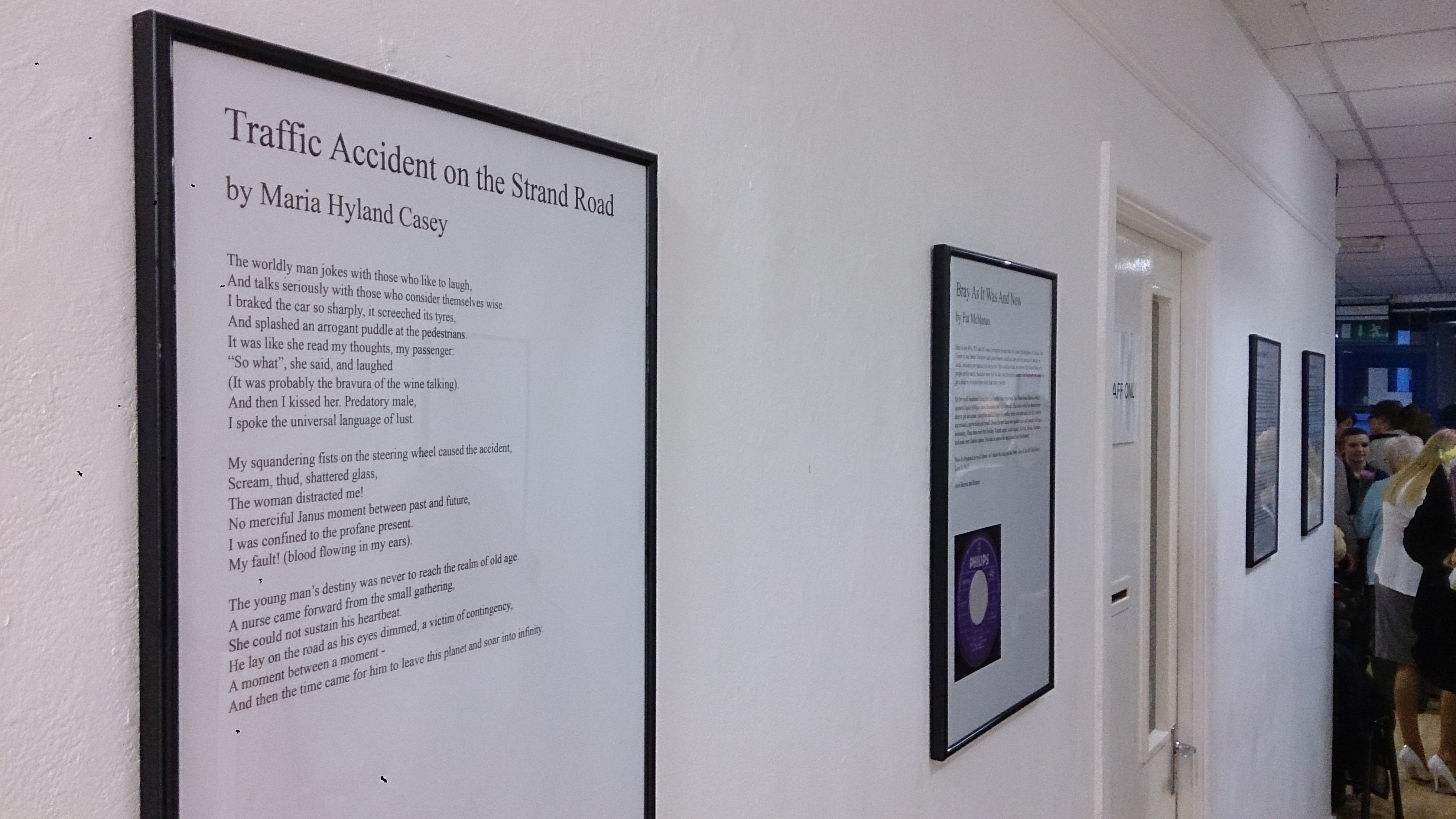
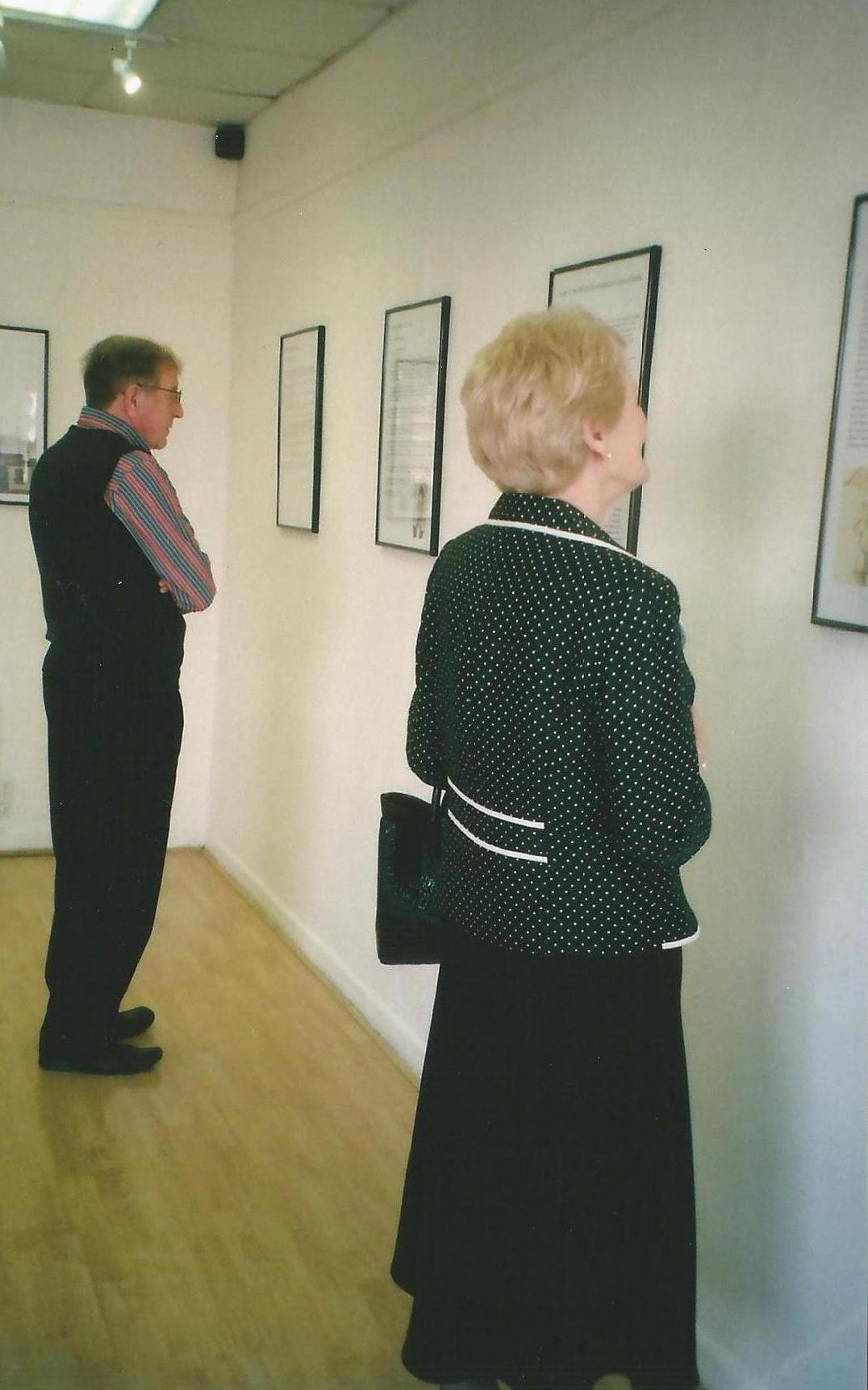
A poster exhibition of stories, poems and memories

   by writers from The Little Bray Writers Group


      on Thursday 4th September, 7-9 pm

             at Signal Arts Centre, 1 Albert Avenue, Bray, Co. Wicklow


              Refreshments will be served

   Exhibition runs from Tuesday 2nd September to Sunday 7th September

   Supported by IPB Insurance through the IPB Youth and Community Fund

             and by Bray Credit Union & Little Bray Family Resource

                                       & Development Centre

Exhibition shows Bray through creative eyes – Bray People

Click the link below for news paper article

http://www.independent.ie/regionals/braypeople/entertainment/exhibition-shows-bray-through-creative-eyes-30486804.html

Click the link below for Radio Interview

‘Bray Now and Then: Building Community Expression through Creative Writing’ is a poster exhibition at Signal Arts Centre by writers from Little Bray Family Resource and Development Centre opening on Tuesday, September 2.

‘Bray Now and Then: Building Community Expression through Creative Writing’ is a poster exhibition at Signal Arts Centre by writers from Little Bray Family Resource and Development Centre opening on Tuesday, September 2.

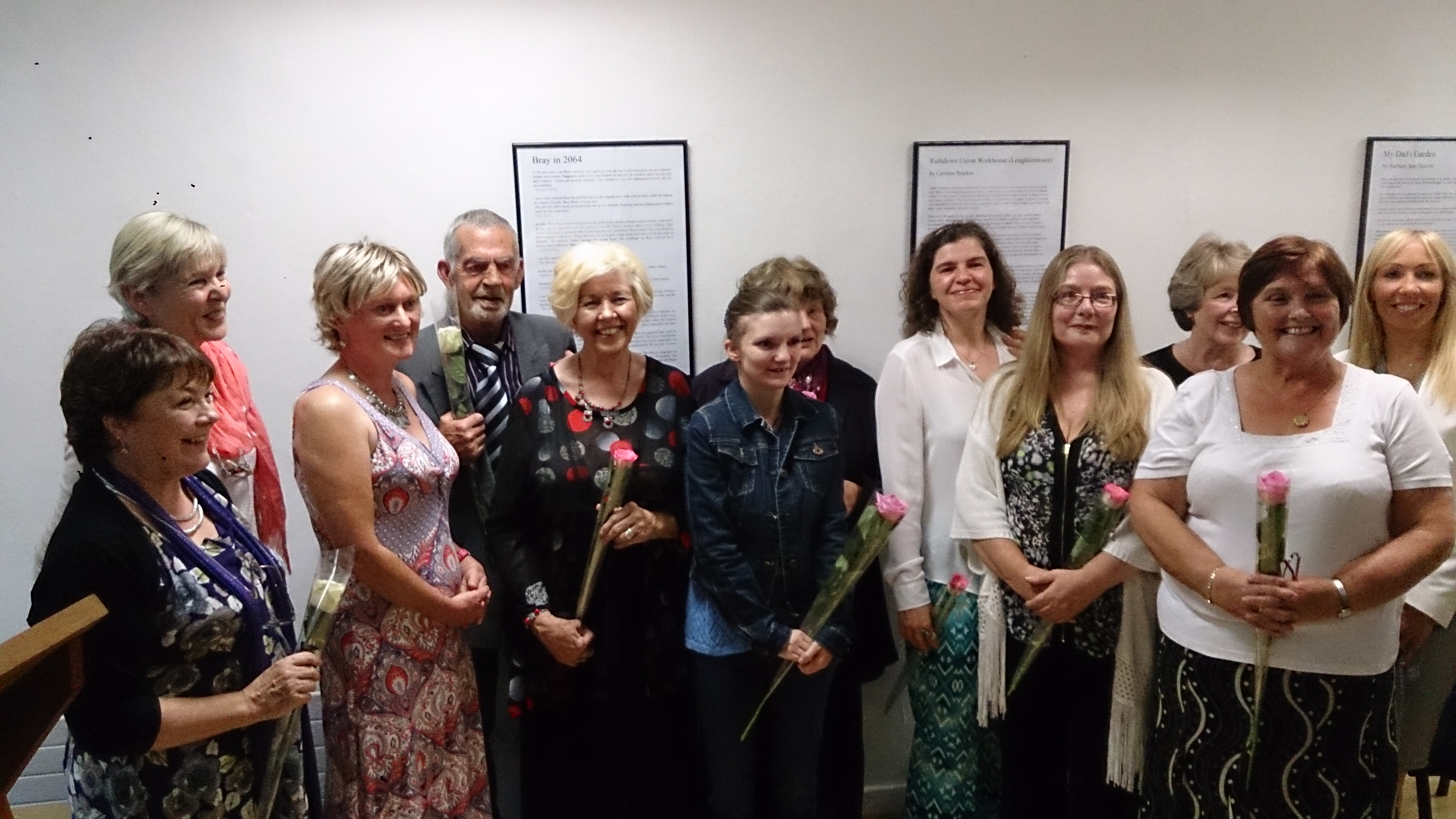
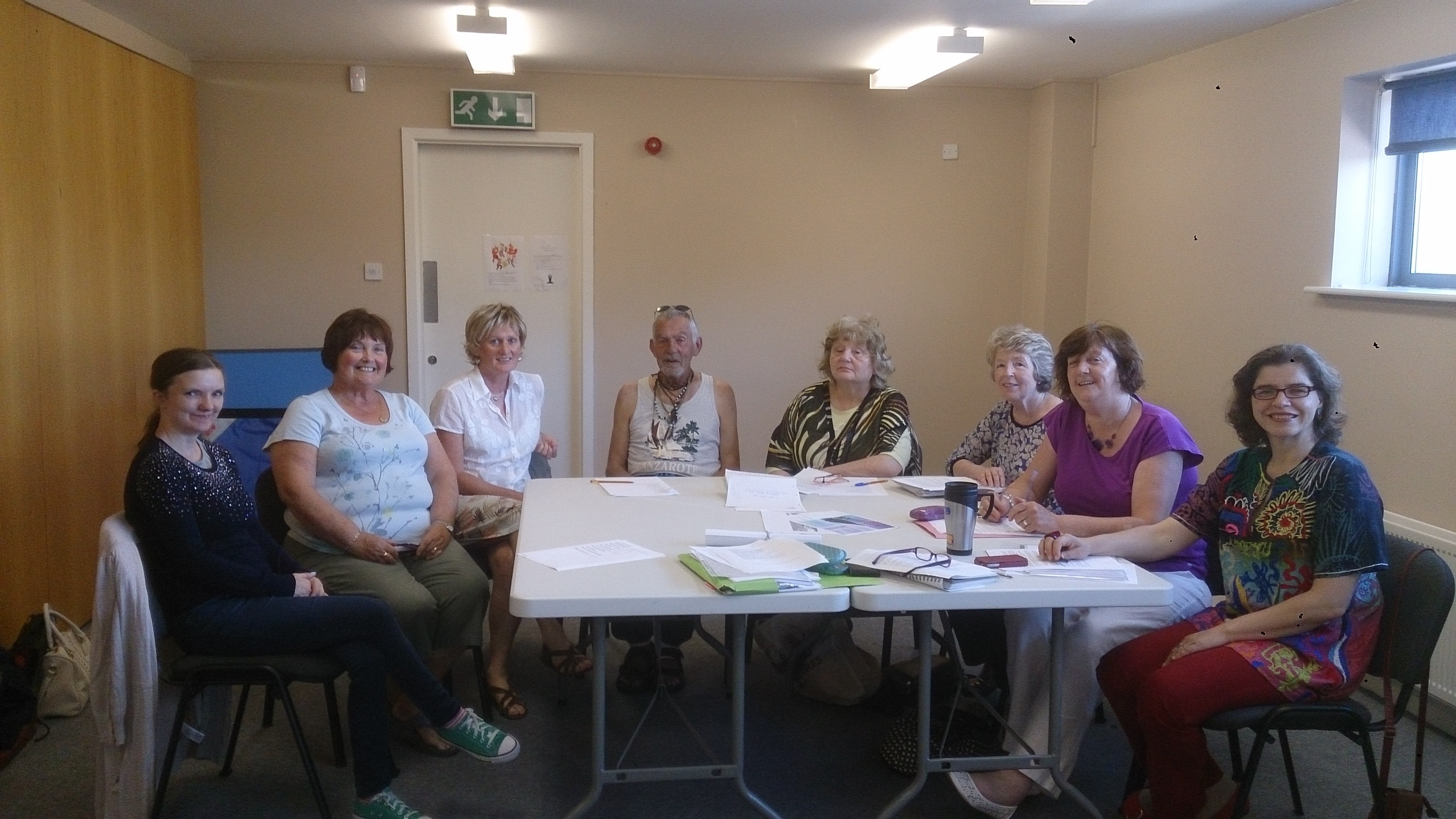
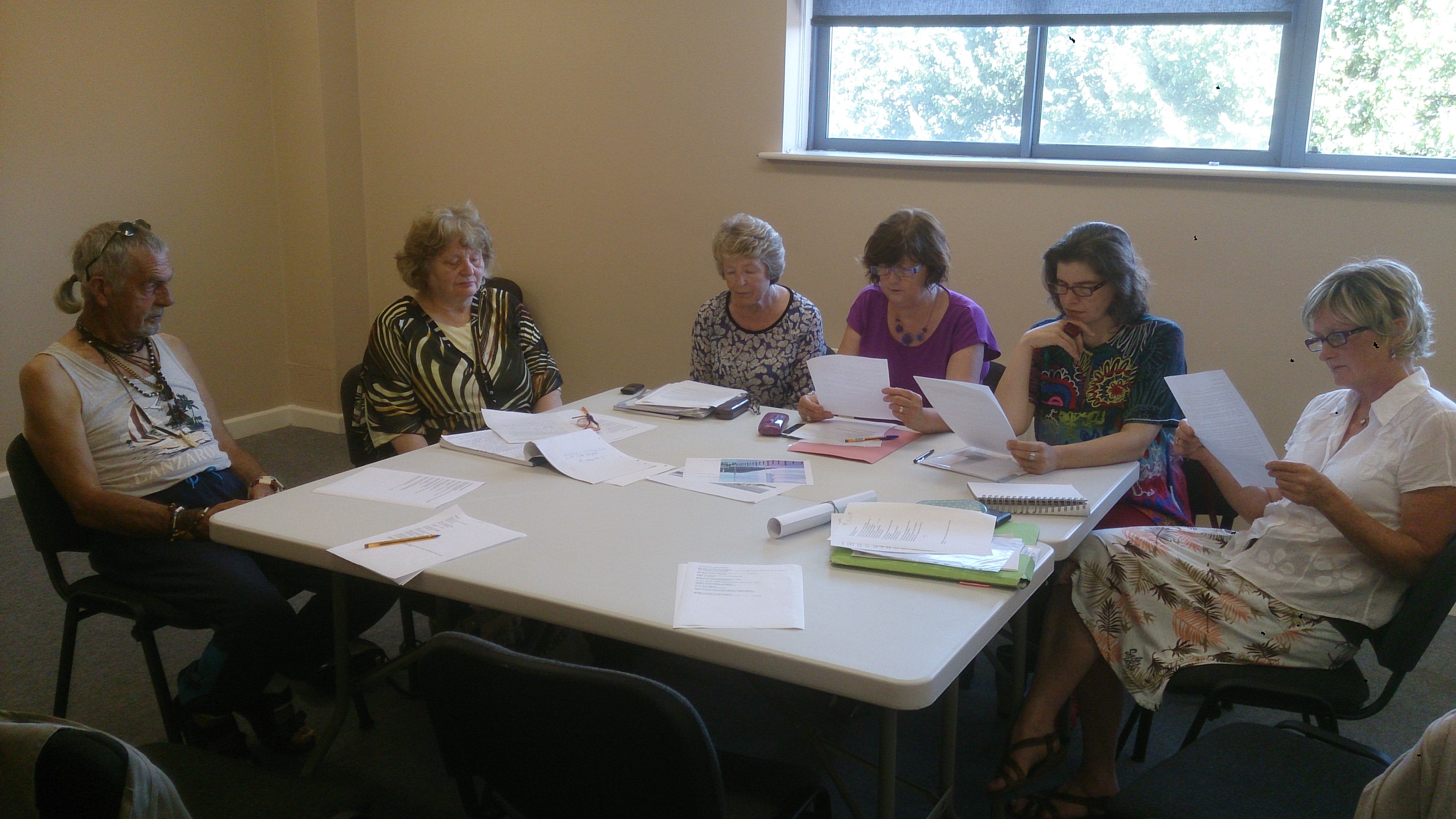
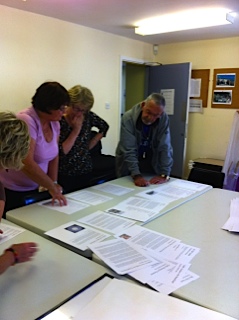
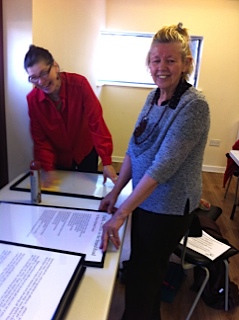
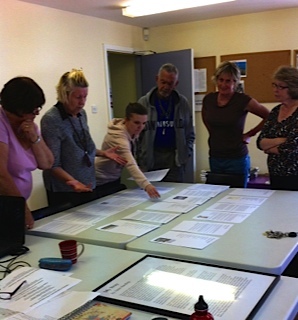
The group of nine, all of whom are resident in Bray, has had a six-month residency to explore, discuss and write in a creative response to their Bray environment. The work includes a wide variety of artistic responses to aspects of the town and its environs: short stories, poems, memories and flights of imagination.

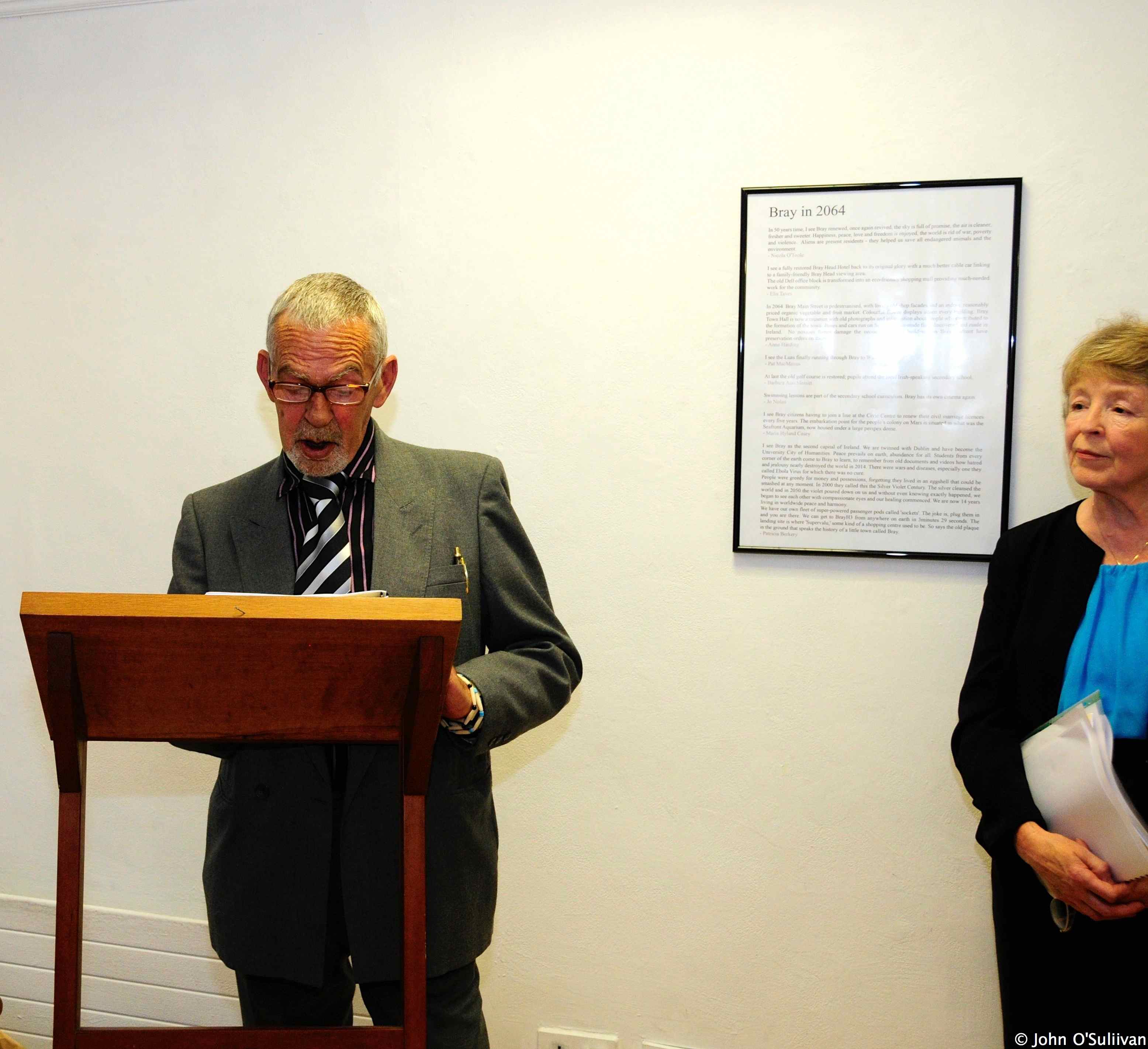
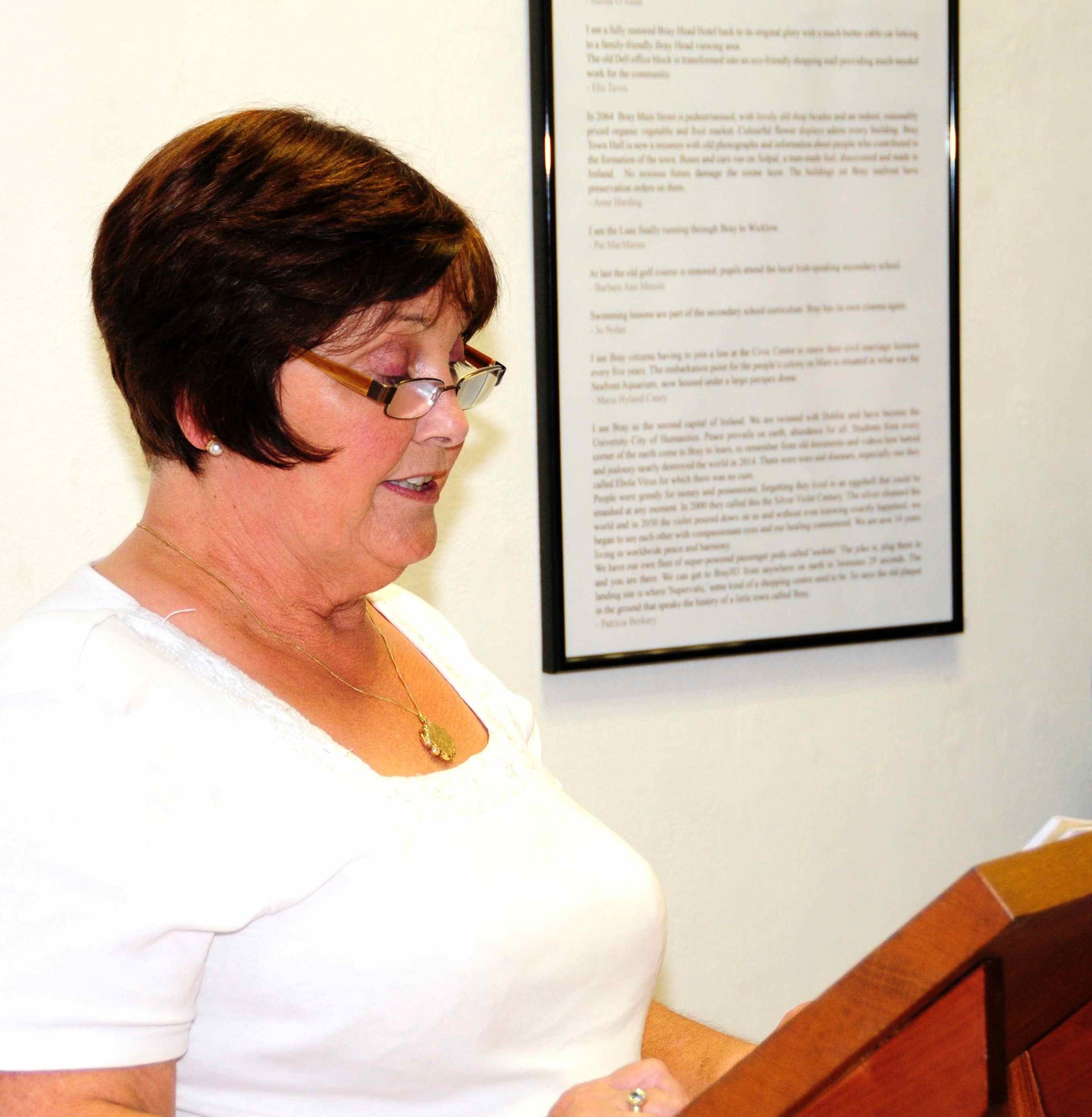
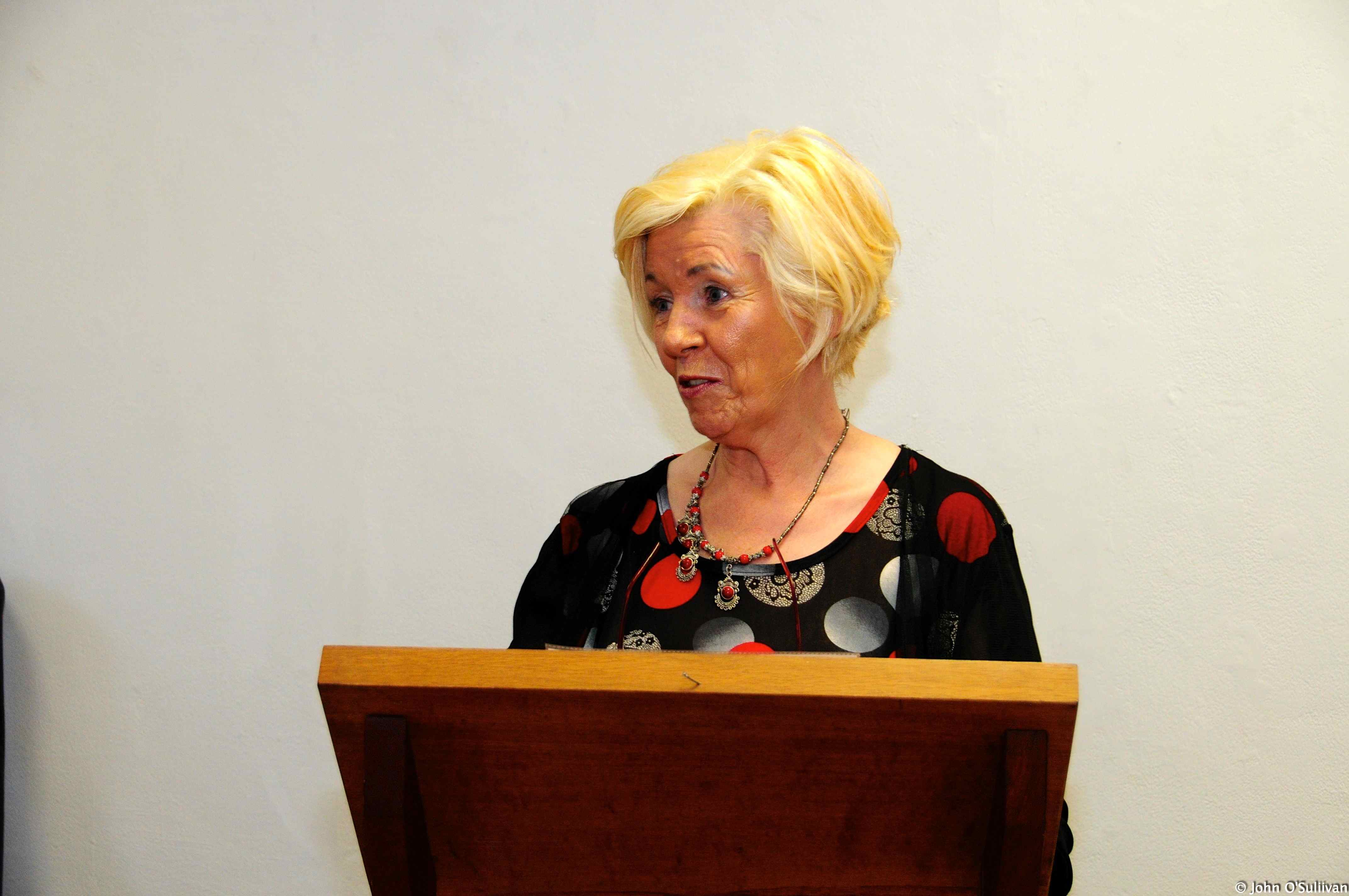
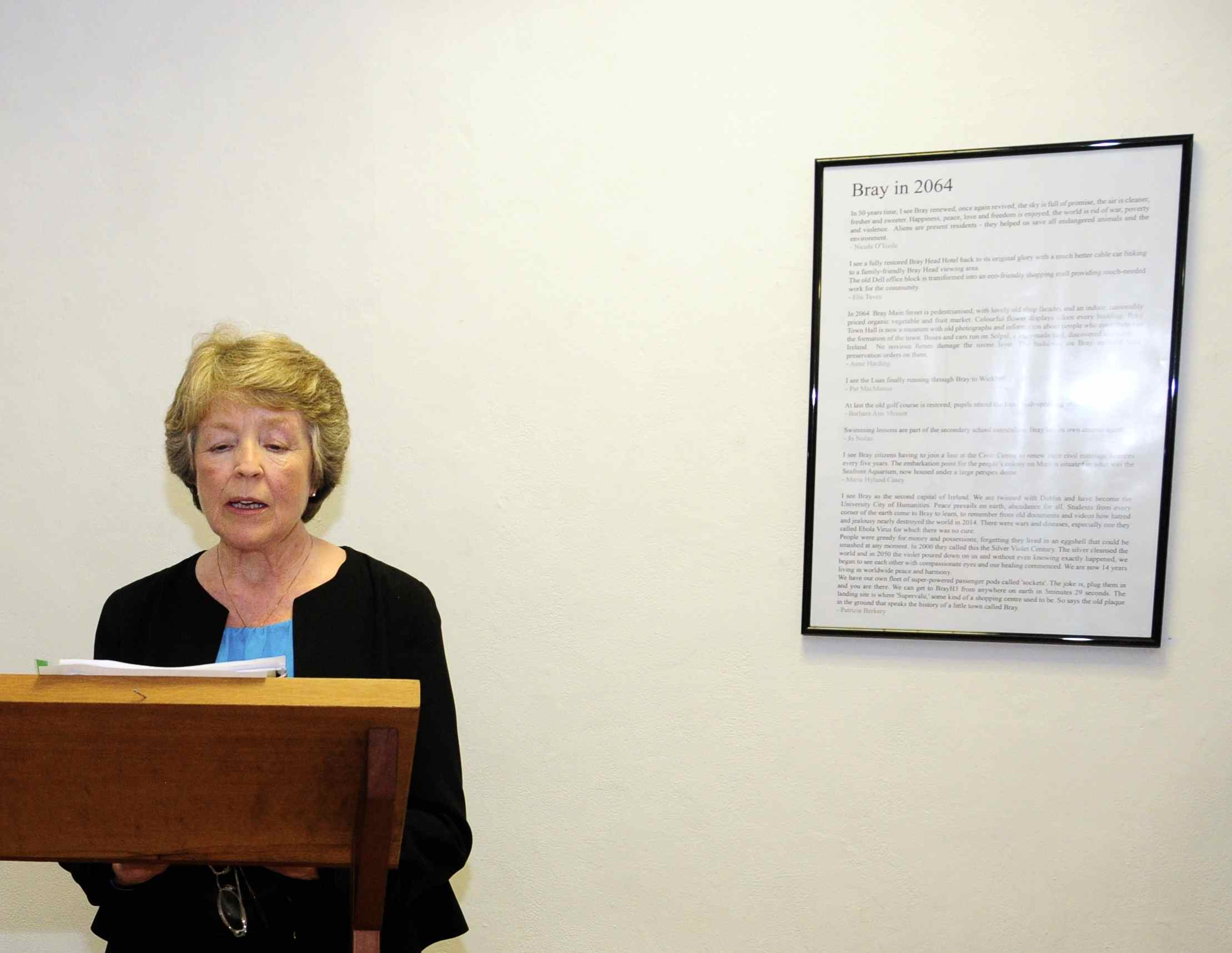
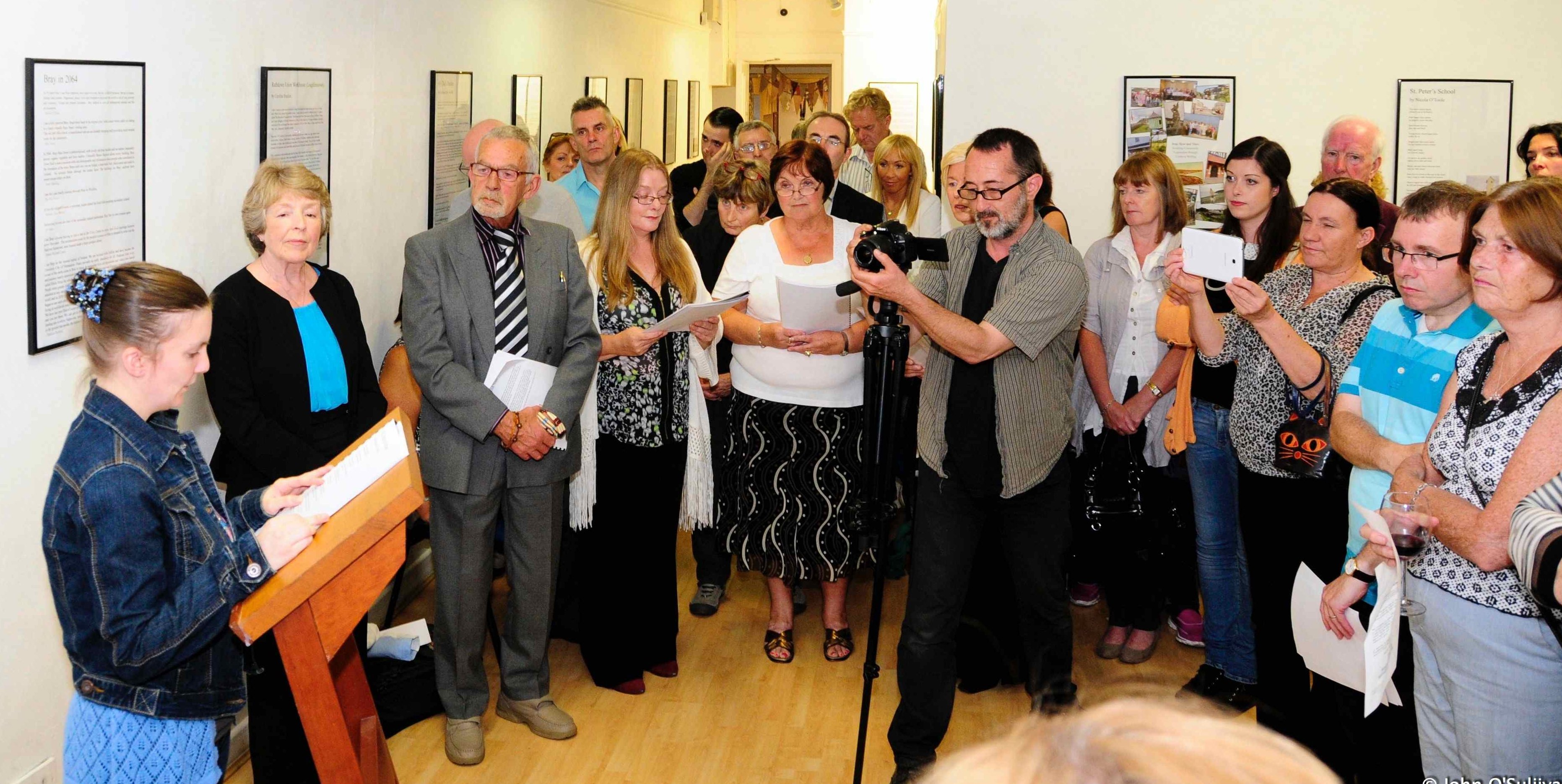
All of the pieces are short and designed to be read in large poster format. On launch night, Thursday, September 4, a selection of pieces will be read by participants. All are welcome to the launch night which runs between 7 p.m. and 9 p.m.

Bray-based writer, Shirley McClure, who co-ordinated the project, said: ‘We have all learned a lot about Bray in the process of researching and discussing this venture. We want to promote the idea that literature and culture are for all people, along with the idea that literature and art are changing forms, no longer just in books or art galleries.’

‘Bray Now and Then: Community Expression through Creative Writing’ has been supported by IPB Insurance through the IPB Youth and Community Fund and by Bray Credit Union and Little Bray Family Resource and Development Centre.

Exhibition Order of readings

Exhibition Opening Order of readings

  1. Bray is.. (group)
  2. Maria: Early Morning..
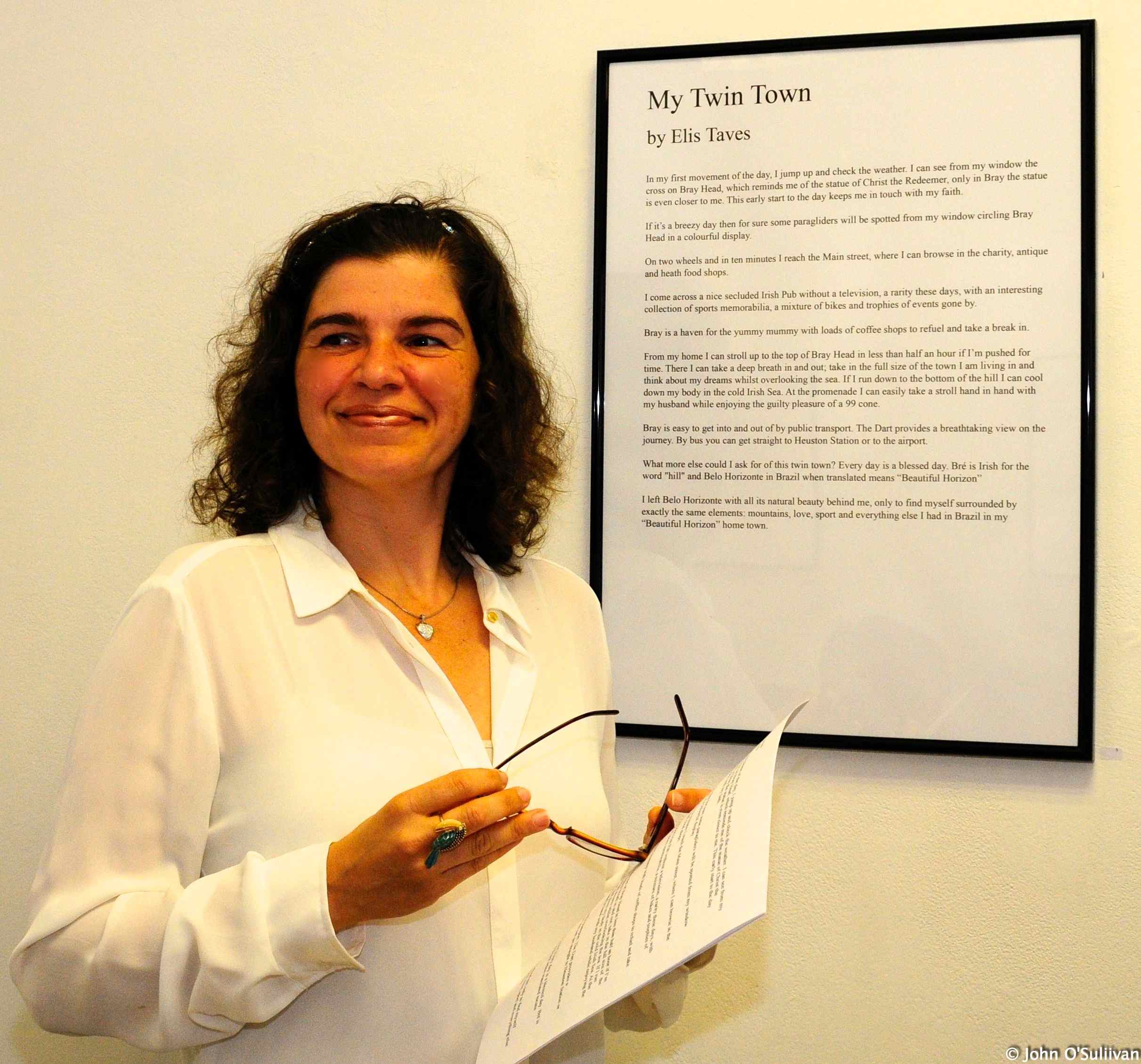
  3. Elis: My Twin Town
  4. Nicola: St Peter’s School
  5. Anne: Corpus Christi
  6. Pat: Bray as it was & now
  7. Caroline: Petrified
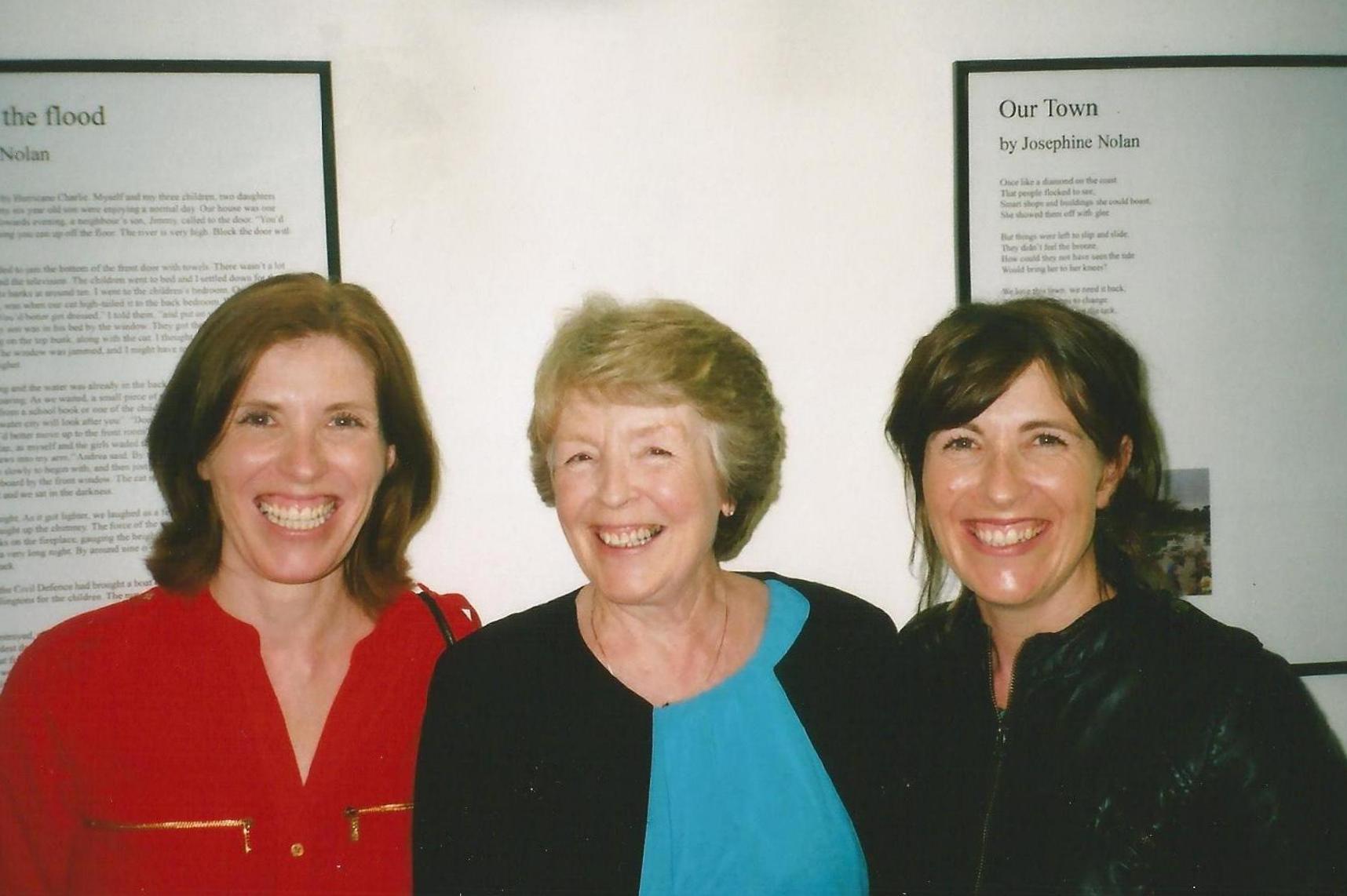
  8. Jo: Our Town
  9. Patricia: A Victoria Plum
  10. Barbara: My Dad’s Garden

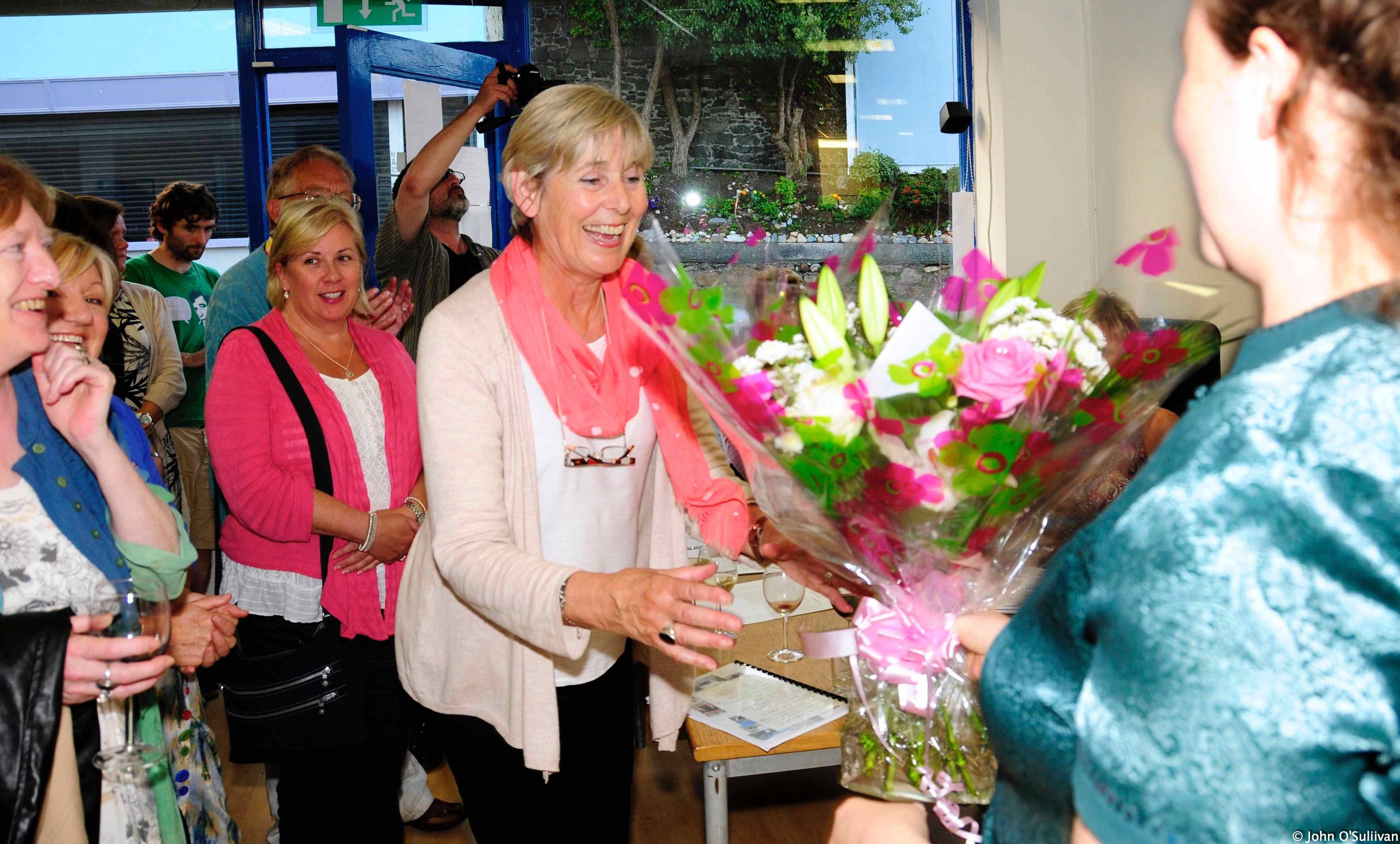
Exhibition Night 4 Sept 2014 (1)

Exhibition Night 4 Sept 2014 (2)

Exhibition Night 4 Sept 2014 (3)

Exhibition Night 4 Sept 2014 (4)

Exhibition Night 4 Sept 2014 (5)

Exhibition Night 4 Sept 2014 (6)

Exhibition Night 4 Sept 2014 (7)

Exhibition Night 4 Sept 2014 (8)

Exhibition Night 4 Sept 2014 (9)

Exhibition Night 4 Sept 2014 (10)

Exhibition Night 4 Sept 2014 (11)

Exhibition Night 4 Sept 2014 (12)

Exhibition Night 4 Sept 2014 (13)

Exhibition Night 4 Sept 2014 (14)

Exhibition Night 4 Sept 2014 (15)

Exhibition Night 4 Sept 2014 (16)

Exhibition Night 4 Sept 2014 (17)

Exhibition Night 4 Sept 2014 (18)

Exhibition Night 4 Sept 2014 (19)

Exhibition Night 4 Sept 2014 (20)

Exhibition Night 4 Sept 2014 (21)

Exhibition Night 4 Sept 2014 (22)

Exhibition Night 4 Sept 2014 (23)